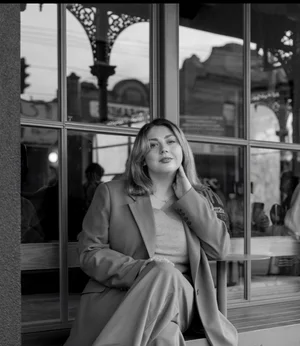
Andrew McDonough
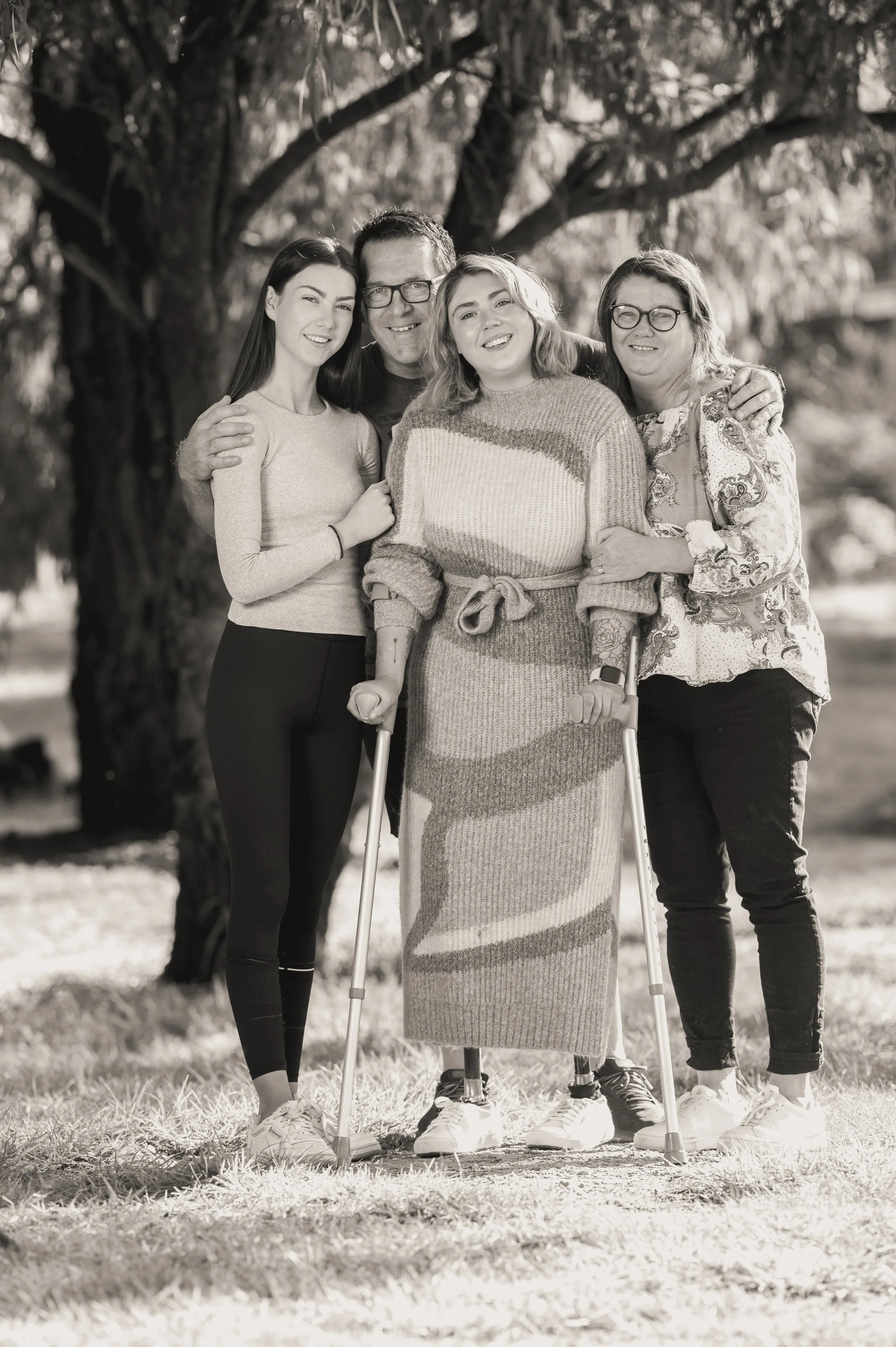
Andrew’s experiences with mental health, from the perspective of a police officer with more than 30 years’ experience, whose understanding of mental health has been shaped by a lifetime of lived experience - including growing up with a mother living with bipolar disorder, living with post-traumatic stress disorder, and supporting a daughter through depression and post-traumatic stress disorder.
We were very lucky to speak to him and learn from his perspectives and insights.
If someone says, “ I’m not okay", where should we begin?
The priority is creating an environment where the person feels safe, supported, and free from judgment.
When someone feels threatened or overwhelmed, it can make it much harder for them to engage with support and reach out for help.
Equally important is helping them understand the options available. Talking through appropriate supports, services, and next steps can help reduce feelings of hopelessness and remind them that they don't have to face the crisis alone. Even supporting them and helping them stay calm can be beneficial, too. In the most difficult moments, knowing there are people and services available can make a meaningful difference.
How has your understanding of Mental Health changed over the years?
I wouldn't say my perspective has changed over the years so much as it has evolved.
Growing up with a mother living with bipolar disorder gave me an early understanding of the realities of mental illness and shaped the way I responded to people experiencing mental health challenges.
Many of the skills I learned through those personal experiences naturally carried over into my career as a police officer, influencing the way I approached people with empathy, patience, and understanding.
How can we create communities where people feel seen, heard and supported?
There are still significant gaps in how we understand and respond to mental health across both the community and professional systems.
Mental health education in schools remains limited, with meaningful conversations often only occurring after a crisis. While many schools have wellbeing staff, they are not always equipped with the training or resources needed to respond effectively. The same is true across the broader community, where many people want to help but have never been taught how to recognise the signs or respond with confidence.
Professionally, the public sector continues to face high demand, workforce shortages, limited funding, and insufficient inpatient beds, delaying access to care. At the same time, private psychiatric care is often beyond the financial reach of many Australians.
Improving outcomes will require greater investment in services, earlier mental health education, and practical, trauma-informed training that gives both professionals and the wider community the confidence to respond with compassion.
After more than 30 years as a first responder, what has stayed with you the most?
From a first responder's perspective, no two mental health situations are ever the same, so there is rarely a single approach that fits every circumstance. The most important things are remaining calm, communicating clearly, and ensuring everyone involved understands the shared objective: keeping the person safe and connecting them with the support they need.
Since I joined the police in 1995, community awareness of mental health has improved, and there are more support options available than ever before.
However, there is still a critical need for greater investment in the public mental health system, particularly in staffing, facilities, and timely access to care, so people experiencing a mental health crisis can receive the intervention and treatment they need as early as possible.
What’s one conversation you’ll never forget?
One conversation has stayed with me more than any other, even though it lasted less than a minute.
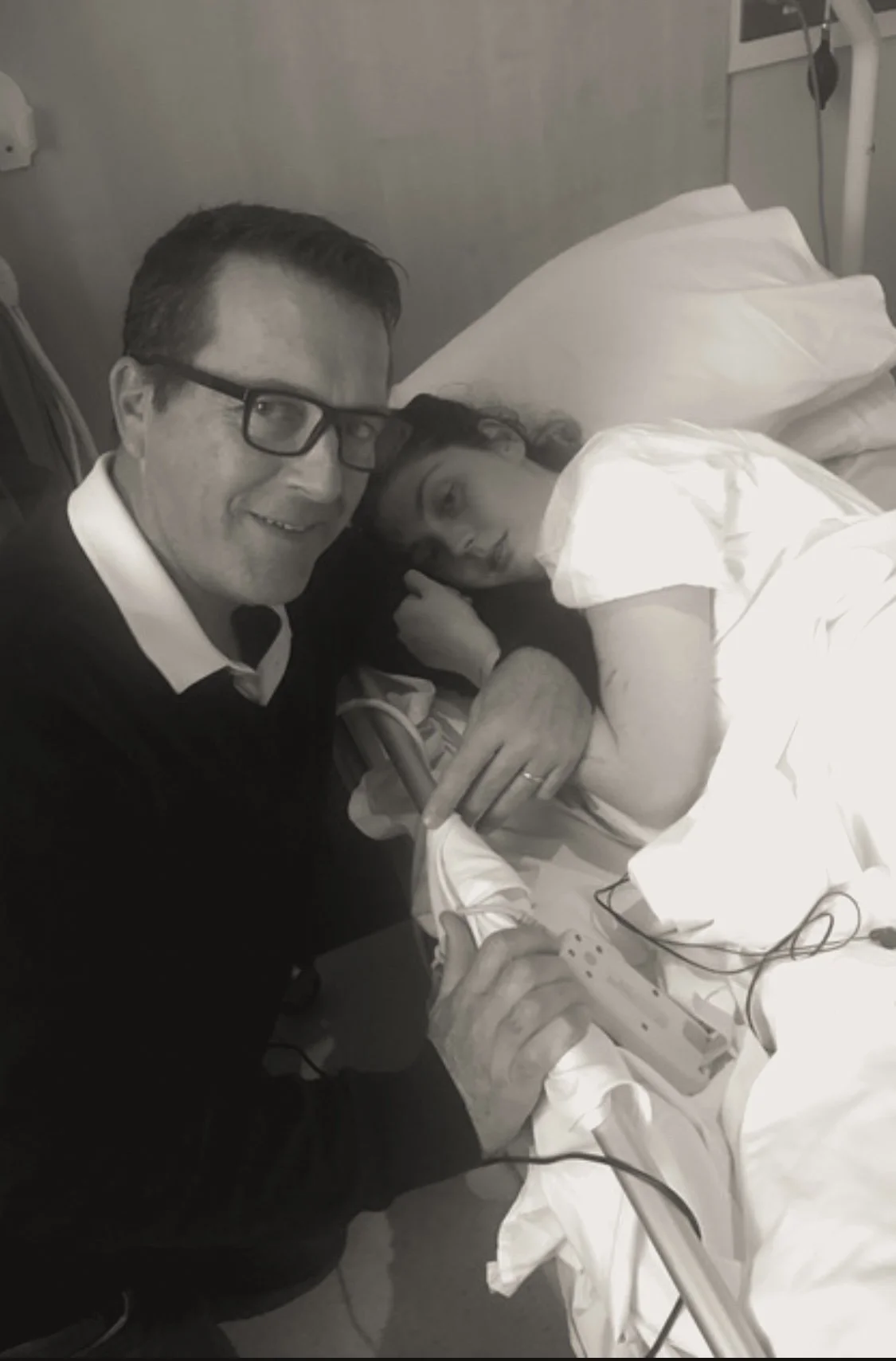
It happened when I arrived at the scene of an accident where a close family member had sustained multiple life-threatening injuries following a suicide attempt. Despite everything they were going through, their first concern wasn't for themselves - it was for everyone else. The only words they spoke were an apology to me for what had happened.
That moment has never left me. In the midst of unimaginable trauma, all they could think about was the impact on those around them rather than their own suffering. It reinforced something I've seen time and time again: people experiencing suicidal thoughts often think deeply about the people they love.
Many aren't acting because they don't care about others - they're acting because their pain has convinced them those they love would be better off without them.
It's a heartbreaking reminder that suicidal people don't stop caring about others. If anything, they often care so much that their illness distorts reality and makes them believe they're protecting the people they love, by not being here.
If every person reading this could remember one thing about Mental Health, human connection and supporting someone who’s struggling, what would you want it to be?
To treat others how you would want to be treated in your own of time of need.
Thank you to Andrew for so generously sharing your story, lived experience, and wisdom.
Your honesty, courage, and decades of service have brought a perspective that only someone who has both lived it and witnessed it can offer. Your willingness to share not only your professional experience, but also the deeply personal moments that have shaped your understanding of mental health, will help others feel seen, understood, and less alone.
Thank you for trusting us with your story and for helping create conversations that can change lives.
Follow LUMAURA for more lived experience-led, trauma-informed, evidence-based conversations that are dedicated to changing how we understand and respond to Mental Health and Suicide.