A Conversation with Ash Horovitz & Dean Rotenberg
Co-Founders of MYND
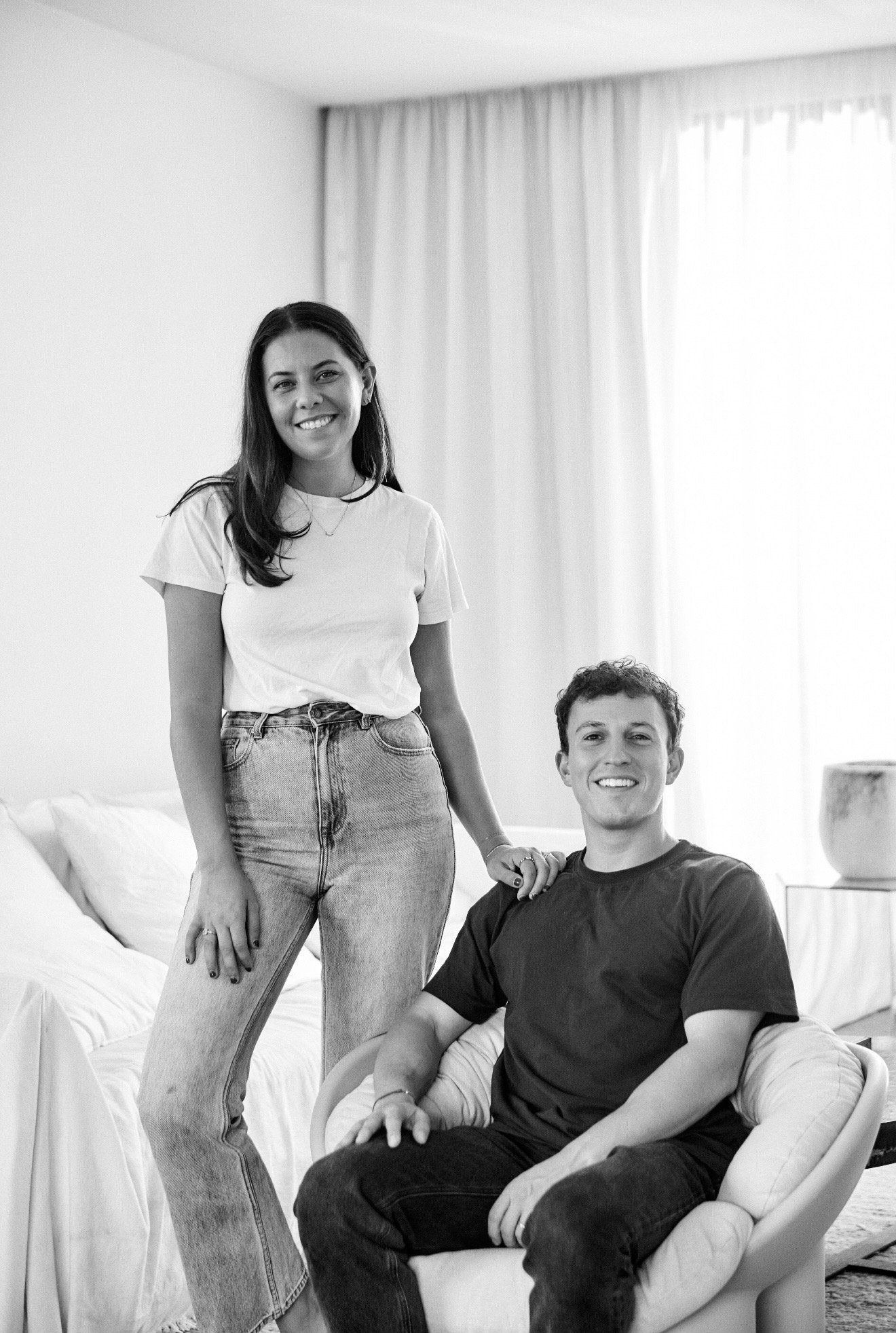
MYND is a proactive Mental Wellbeing and Workplace Support app built for individuals, for individual moments.
The idea of MYND originated from Co-Founder Ash's personal struggle with mental health and the challenge she found in accessing support when it was needed most.
Even while seeing a psychologist, she often found herself alone during the hours and days between sessions. Together with Dean, Ash wanted to create a resource that meets people where they are, especially when they can't find the words to express their feelings or determine what they need.
They wanted a space where individuals can check in with their emotions and find practical help in the moment, because what helps one day might look completely different the next, ensuring MYND is accessible and a safe place to turn when they need it most.
Reaching out can make you feel vulnerable, especially if you’ve spent a long time believing you should be able to cope on your own. If that first experience leaves you feeling dismissed or unheard, asking again can feel even harder. But being genuinely listened to can change what seeking support feels like.
It’s something Ash and Dean think about as they’ve built and continue to build MYND. Whether someone is opening the app, speaking to a psychologist or acknowledging how they feel for the first time, they want that first step to feel safe, easy and genuinely supportive.
That belief is what makes MYND innovative and powerful: support shaped around people and their needs at different moments, rather than expecting one approach to work for everyone.
You can have all the right tools and techniques, but there’s something powerful about feeling genuinely seen and understood by another person. For Ash, the moments that have stayed with her aren’t necessarily the techniques she was taught. They’re the moments when someone made her feel safe enough to be honest about what she was experiencing, without judgement. Truly understanding just how much that feeling matters, that feeling is carried throughout MYND, so that when someone opens the app, they feel understood, supported and safe enough to be honest about where they’re at.
There’s an expectation that once you understand what’s happening or have the right tools, you should keep getting better. Ash’s experience has taught her that healing rarely works that way. You can feel well for a while and then find yourself struggling again. That doesn’t mean the progress you’ve made has disappeared. Sometimes progress is recognising what’s happening sooner, being kinder to yourself when it does happen or knowing what support to reach for. That understanding has shaped MYND enormously.
When someone first discovers MYND, Dean hopes they feel that mental health support could actually fit into their life. You shouldn’t need to be in crisis, know the right terminology or have worked out exactly what kind of help you need before you can take a step for yourself.
If someone opens MYND and thinks,
“I could actually use this,” that would really mean a lot.
The vision is to make caring for your mental health feel approachable and normal: something you can do every day, without unnecessary barriers getting in the way.
“We hear plenty about the visible parts of building a company: growth, milestones, funding and new partnerships. We hear much less about the emotional weight founders carry behind the scenes. When you’re building something you care deeply about, it can be hard to separate yourself from it. A week of uncertainty, rejection and pressure might be followed by one that makes everything feel possible. Building a mental health company has also made us more aware of how easily we can neglect our own wellbeing while working to support others. We think founders should be able to speak more openly about that experience. Ambition and vulnerability don’t have to be opposites.”
“We hope MYND helps create a world where caring for your mental health feels as normal as caring for your physical health. But the legacy we hope to leave goes beyond the app. We want people to check in more often, listen properly and notice when someone doesn’t seem like themselves. We want more people to understand that you don’t need to be a psychologist to make someone feel less alone. Seeing MYND succeed would mean a great deal to us. But the measure that matters most is whether we’ve made support easier to access and helped people feel more comfortable saying how they really are. Care doesn’t always have to be complicated. Sometimes it starts with asking someone how they are and being willing to stay for the real answer.”