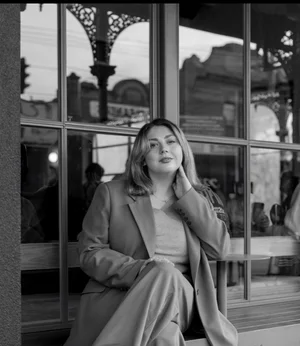
A Conversation with Saffy
A chronically ill disability advocate & content creator living with AuDHD (Autism + ADHD)
We had the privilege of speaking with Saffy, a chronically ill disability advocate and content creator living with AuDHD - a co-occurrence of Autism and ADHD. She openly shared her journey with us, and we're incredibly grateful for her honesty, insights, and willingness to share her experiences.
We learned so much, and we hope you will too.
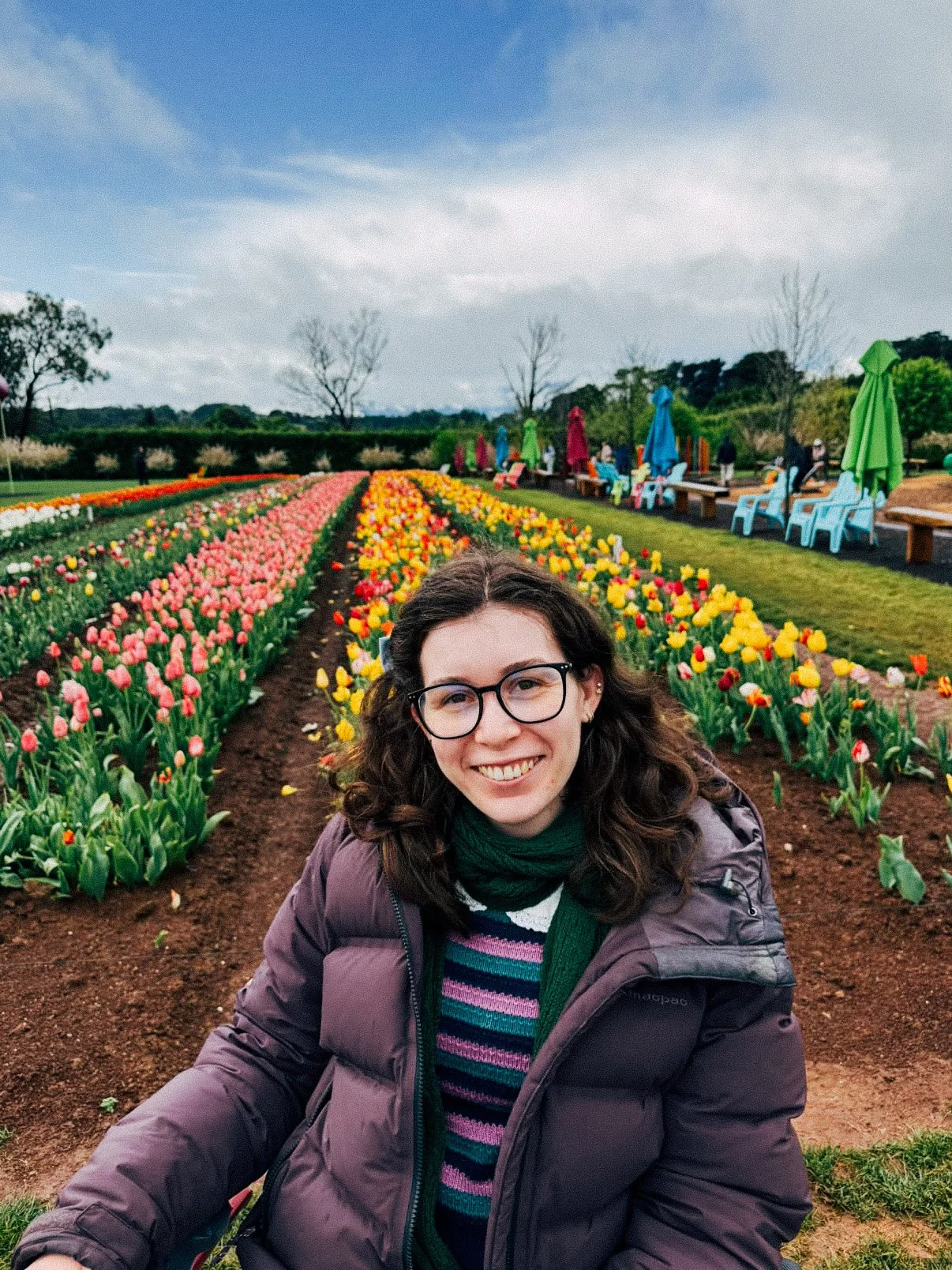
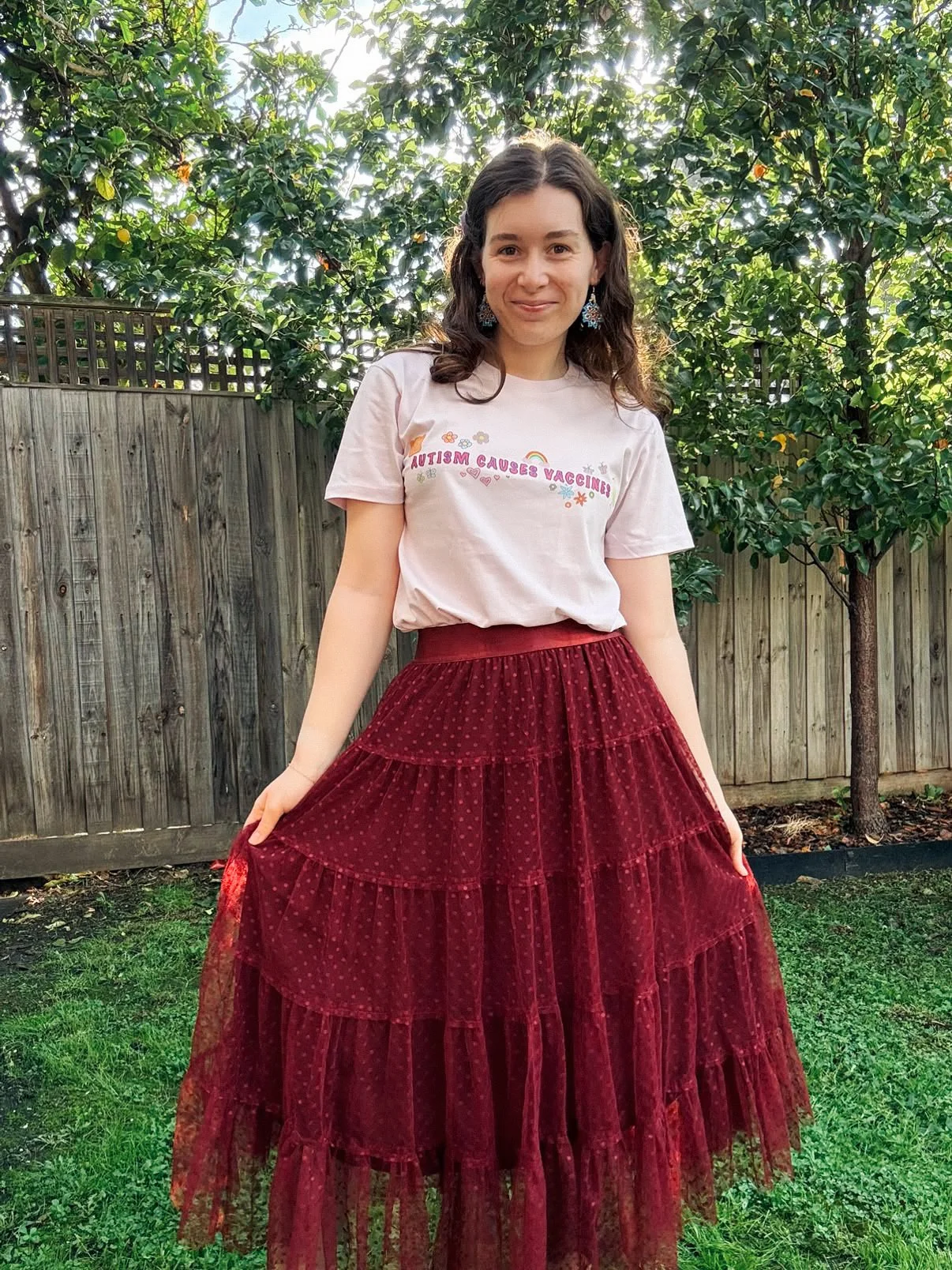
SAFFY, AT WHAT AGE DID YOU GET DIAGNOSED & HOW LONG DID IT TAKE TO GET A DIAGNOSIS?
I was first diagnosed with ADHD at around 20 (I'm now almost 25) after years of struggling with debilitating anxiety.
My diagnosis journey wasn't easy. Despite receiving an initial diagnosis from a psychologist, a psychiatrist later told me I wasn't "struggling enough" to meet the criteria. The irony was that I'd already been living with debilitating anxiety for years. I became so overwhelmed during the appointment that I shouted, cried and eventually slammed my laptop shut, ending the assessment early.
It took me another year to feel ready to seek a second opinion. Eventually, I received my diagnosis and began medication, which has changed my mental health and life for the better.
My autism diagnosis in April 2025 was a completely different experience. The assessment felt gentle, supportive and affirming. Interestingly, when I was 16, I remember thinking I might be autistic, but | dismissed it.
Seven years later, I finally had my answer.
HOW DOES LIVING WITH AUDHD FEEL LIKE FOR YOU, IN YOUR OWN WORDS? HOW HAS LIFE BEEN FOR YOU, PRE- AND POST-DIAGNOSIS?
It's hard to explain what it's like living with Autism and ADHD, as l've never lived without them.
But I do know what it's like to be AuDHD without a diagnosis, I know how difficult that can be.
My diagnoses gave me answers and explanations for my actions, feelings and experiences.
Before then, I saw myself through a harsh, critical lens, especially as an undiagnosed AuDHD teenager.
I struggled with school from my first day of Prep to my last day of Year 12. I couldn't understand why certain clothes, foods and places made me feel so angry, irritated or overwhelmed.
I hated that I was well into my teenage years and still having what I thought were "tantrums."
I now understand they were autistic meltdowns, but back then, I didn't have the knowledge or language to recognise them.
My diagnoses helped me understand why l am the way l am, and more importantly, taught me to give myself the grace and understanding I'd spent so long without.
WHAT CHALLENGES DO YOU FACE DAILY?
One of the unique struggles I face daily is the clashing of my chronic illness symptoms, and subsequent lifestyle, with my AuDHD brain.
It can be really hard for me to manage the contrast of it. An example of a specific struggle is that I have to rest a lot to manage my physical health -
I spend most of my day lying in bed - but my ADHD brain is so full of so many fun, exciting ideas of things to do.
I get so antsy and restless, but I physically cannot enact all of my ideas or else I could really damage my physical health.
Another, similar struggle is with hyper-focus, an autistic and ADHD trait; I will start an activity (often gardening, cleaning, writing) and decide to spend 30 minutes on it before retiring to rest, but I often get sucked into a state of hyper-focus, sometimes for hours, and don't drink, eat, go to the toilet or rest.
It leaves me physically drained and the recovery time is lengthy.
WHAT DO YOU WISH PEOPLE BETTER UNDERSTOOD ABOUT AUDHD?
I wish more people understood that when you've met one Autistic and ADHD person, you've met one autistic and ADHD person. Everyone living with either, or both, of these conditions has their own unique experiences of it, so don't make assumptions about anyone.
Like most disabilities, Autism and ADHD both exist on a spectrum. Experiences at different points on the spectrum are as unique as the people who have them, and all are valid
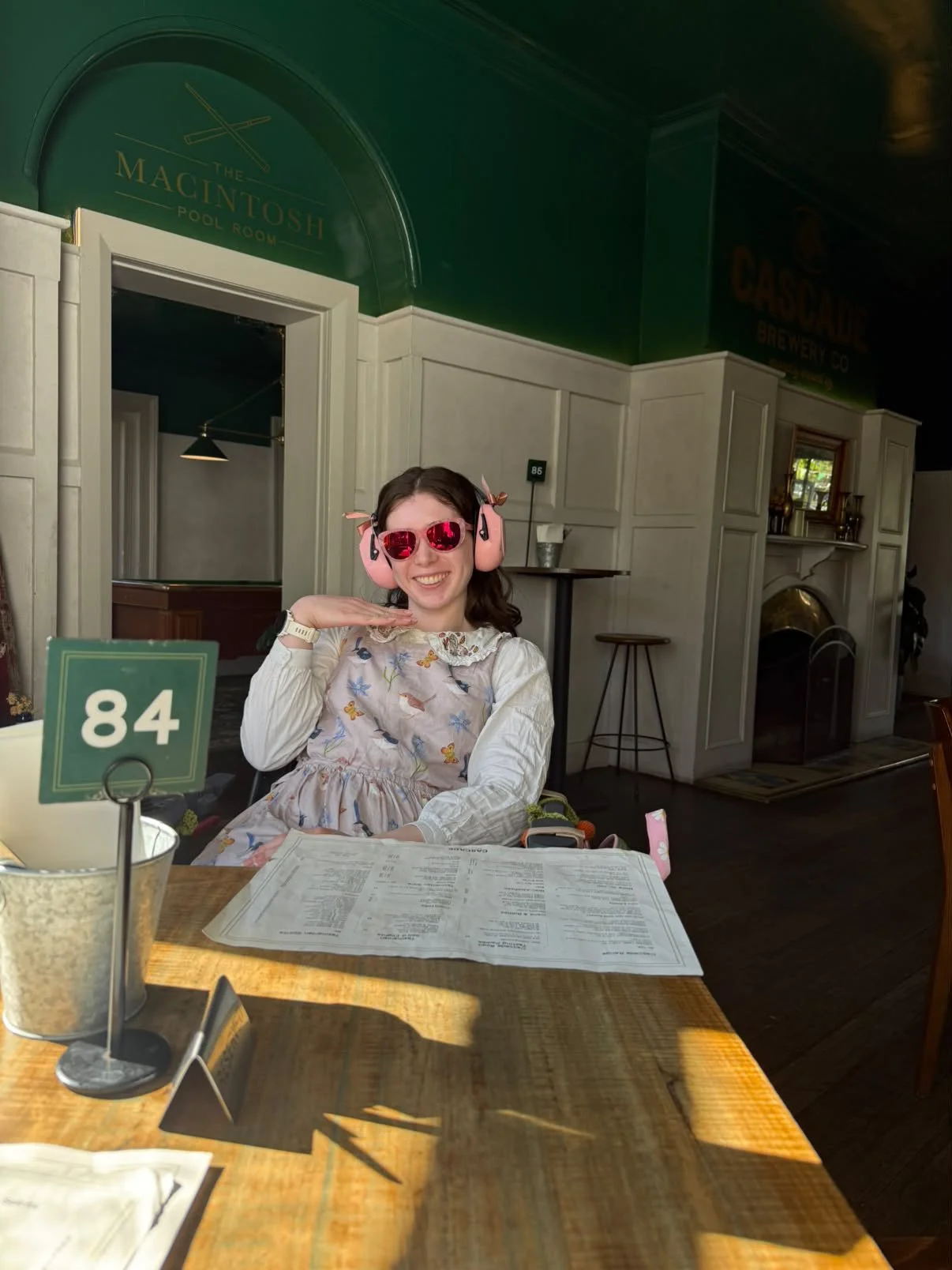
"The best thing people can do to be more supportive is to be willing to listen and to learn.
If you have a neurodivergent loved one, learn about their condition. Ask them how different things impact them and, if they're comfortable, invite them to share their experiences.
If you're wondering what access needs and accommodations an AuDHD person might have, the best thing you can do is ask what they need and how you can support them.”
HOW CAN SOCIETY MAKE THE WORLD MORE INCLUSIVE FOR PEOPLE WHO ARE NEURODIVERGENT, GENERALLY SPEAKING?
We can make society more inclusive by accepting that people are all different and that you can never know what it is like to be someone else.
Yes, you can try to listen, learn and empathise, which is great and I encourage that.
But sometimes you might truly never understand someone's personal experiences, and that's okay.
It's imperative that you don't let that stop you from accommodating them.
You can not understand an experience, but still accept that it is real, valid, and worthy of support.